Premio Strega Poesia 2024 – Stefano Dal Bianco “Paradiso”

Premio Strega Poesia 2024 – Stefano Dal Bianco “Paradiso”

Teatro Massimo Cagliari
10 dicembre ore 17.30

STEFANO DEL BIANCO
PREMIO STREGA POESIA 24
Giovanna Caltagirone – Docente di Letteratura italiana moderna e contemporanea Università di Cagliari

Legger_ezza 24
Cedac Sardegna e Libreria Edumondo

Qualche settimana fa Stefano Dal Bianco ha vinto Il Premio Strega Poesia 2024 con Paradiso.
Il 10 dicembre sarà ospite al Teatro Massimo Cagliari grazie alla nuova collaborazione tra Cedac Sardegna e Premio Strega.

ingresso libero con prenotazione obbligatoria ai contatti della biglietteria
345/4894565
biglietteria@cedacsardegna.it

Teatro Massimo Cagliari
December 10, 5:30 PM

STEFANO DEL BIANCO
PREMIO STREGA POESIA 24
Giovanna Caltagirone – Professor of Modern and Contemporary Italian Literature, University of Cagliari

Legger_ezza 24
Cedac Sardinia and Edumondo Bookstore

A few weeks ago, Stefano Dal Bianco won the 2024 Premio Strega Poesia with Paradiso.
On December 10, he will be a guest at the Teatro Massimo Cagliari thanks to the new collaboration between Cedac Sardinia and Premio Strega.

Free entry with mandatory reservation through the ticket office contacts:
345/4894565
biglietteria@cedacsardegna.it

Nicola Fano presenta “Non è il caso. La vita secondo Edipo”

Nicola Fano presenta “Non è il caso. La vita secondo Edipo”

Nicola Fano presenta “Non è il caso. La vita secondo Edipo” – Treccani 2024
Dialoga con l’autore, la giornalista Alessandra Menesini

Il libro. Edipo è per tutti l’eroe tragico ignaro della propria identità, che inconsapevolmente uccide il padre e sposa la madre e viene travolto dalla scoperta della verità. Ma la sua storia, continuo conflitto tra volontà e destino che chiama in causa i temi della colpa, della responsabilità, della giustizia, è molto più ricca e complessa di come la ricordiamo: è la storia di una serie di “casualità calcolate”, tanto calcolate che alla fine si è tentati di dire che non può essere solo il caso a determinare la vita di quest’uomo. Che è, in fondo – come continua a insegnarci la tragedia greca dopo 2.500 anni –, quella di ognuno di noi.


Nicola Fano presents “Non è il caso. La vita secondo Edipo” – Treccani 2024
In conversation with the author, journalist Alessandra Menesini

The book. Oedipus is for everyone the tragic hero unaware of his own identity, who unknowingly kills his father and marries his mother, overwhelmed by the discovery of the truth. But his story, a continuous conflict between will and fate that involves themes of guilt, responsibility, and justice, is much richer and more complex than how we remember it: it is the story of a series of “calculated coincidences,” so calculated that in the end one is tempted to say that it cannot only be chance that determines the life of this man. Which, in the end – as Greek tragedy continues to teach us after 2,500 years – is the life of each of us.

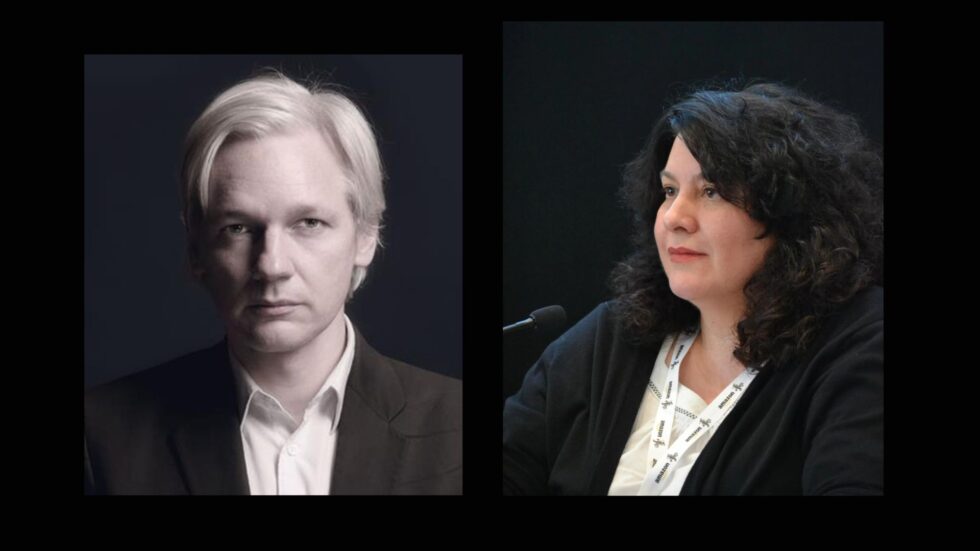
Stefania Maurizi presenta “Il potere segreto. Perché vogliono ancora distruggere Julian Assange e WikiLeaks”

Stefania Maurizi presenta “Il potere segreto. Perché vogliono ancora distruggere Julian Assange e WikiLeaks”

Stefania Maurizi presenta “Il potere segreto. Perché vogliono ancora distruggere Julian Assange e WikiLeaks”.
Prefazione di Ken Loach. Chiarelettere 2024
Dialoga con l’autrice, il giornalista Alessandro Marongiu

Il libro. Nella cella di una delle più famigerate prigioni di massima sicurezza del Regno Unito, un uomo ha lottato per oltre un decennio contro alcune delle più potenti istituzioni della Terra, che hanno puntato a distruggerlo. Quest’uomo si chiama Julian Assange ed è il fondatore di WikiLeaks, un’organizzazione che a partire dal 2006 ha profondamente cambiato il modo di fare informazione, sfruttando le risorse della rete e violando in maniera sistematica il segreto di Stato, quando questo viene usato non per proteggere la sicurezza e l’incolumità dei cittadini, ma per nascondere crimini e garantire l’impunità ai potenti. Per queste ragioni Assange non poteva farla franca: doveva essere punito e soprattutto andava fermato. Ecco perché per oltre dieci anni è stato perseguitato, ha vissuto prigioniero – prima ai domiciliari, poi in un’ambasciata, infine in galera – e con lui hanno rischiato la propria libertà tutti i giornalisti della sua organizzazione. Stefania Maurizi è l’unica giornalista che ha lavorato fin dall’inizio, per il suo giornale, su tutti i documenti segreti di WikiLeaks, a stretto contatto con Julian Assange, incontrandolo molte volte. Ha contribuito in maniera decisiva alla ricerca della verità, citando in giudizio quattro governi – gli Stati Uniti, l’Inghilterra, la Svezia e l’Australia – per accedere ai documenti del caso. Gli abusi e le irregolarità emersi da questo lavoro d’inchiesta sono entrati nella lunga battaglia legale del fondatore di WikiLeaks, fino alla sua scarcerazione, finalmente sancita il 24 giugno 2024. Incalzante come un thriller e rigoroso nella sua documentazione dei fatti, questo libro ricostruisce, in un’edizione aggiornata, la storia di una rivoluzione e dell’attacco sinistro e feroce contro Julian Assange e la sua creatura. Prefazione di Ken Loach.


Stefania Maurizi presents “Il potere segreto. Perché vogliono ancora distruggere Julian Assange e WikiLeaks”
Preface by Ken Loach. Chiarelettere 2024
In conversation with the author, journalist Alessandro Marongiu

The book. In the cell of one of the most notorious maximum-security prisons in the United Kingdom, a man fought for over a decade against some of the most powerful institutions on Earth, which aimed to destroy him. This man is Julian Assange, the founder of WikiLeaks, an organization that, since 2006, has profoundly changed the way information is gathered and disseminated, using the resources of the internet and systematically violating state secrets when they are used not to protect the safety and well-being of citizens, but to conceal crimes and ensure the impunity of the powerful. For these reasons, Assange could not be allowed to escape: he had to be punished, and most of all, he had to be stopped. That’s why, for over ten years, he was persecuted, living as a prisoner—first under house arrest, then in an embassy, and finally in jail—and with him, all the journalists of his organization risked their freedom. Stefania Maurizi is the only journalist who has worked from the very beginning, for her newspaper, on all of WikiLeaks’ secret documents, in close contact with Julian Assange, meeting him many times. She contributed decisively to the search for truth, suing four governments—the United States, the United Kingdom, Sweden, and Australia—for access to the case documents. The abuses and irregularities that emerged from this investigative work became part of the long legal battle of the WikiLeaks founder, culminating in his release, finally confirmed on June 24, 2024. As gripping as a thriller and rigorous in its documentation of the facts, this book reconstructs, in an updated edition, the story of a revolution and the sinister and fierce attack on Julian Assange and his creation. Preface by Ken Loach.

Enrico Putzu e Ileana Dettori presentano “Le avventure dei Dinogemelli”

Enrico Putzu e Ileana Dettori presentano “Le avventure dei Dinogemelli”

Le avventure dei Dinogemelli
Cosa c’è al di là del mare?
Camena edizioni
Libro illustrato
di Ileana Dettori e Enrico Putzu

Gli autori in dialogo con Stefano Obino

“C’erano una volta due gemelli e il loro cane dai peli ribelli” che dalla loro abitazione sulla spiaggia si chie­devano cosa ci fosse al di là del mare.
Questa domanda darà l’avvio a una serie di avventure fantastiche che questi intrepidi dinogemelli si trove­ranno ad affrontare con il loro riccioluto amico peloso.
Dovranno affrontare mari agitati, bollenti deserti e confrontarsi con civiltà a loro sconosciute in questa prima esplorazione oltremare.
Riusciranno, chissà, in questo loro viaggio ad acquisire nuove conoscenze, a imparare qualche importante lezione, a rendere, perché no, il mondo un luogo migliore?
Questo racconto e le sue rime vogliono portare con se chi legge e chi ascolta e catapultarli in una affasci­nante avventura trattando temi legati all’importanza della cooperazione, dell’altruismo, dell’inclusione e dello studio; per aiutare i bambini a crescere sicuri che grazie a loro il mondo in futuro sarà migliore.

Ileana Dettori, nasce a Carbonia nel 1998. Nel 2023 consegue il diploma triennale di fumetto presso l’Accademia d’arte di Cagliari. “Le avventure dei Dinogemelli” è la sua prima pubblicazione per Camena Edizioni.

Enrico Putzu nasce a Cagliari nel 1988, Avvocato, appassionato d’arte, di viaggi e padre di due gemelli, Arianna e Stefano. “Le avventure dei Dinogemelli” è il suo libro d’esordio.


Camena editions

Picture book

By Ileana Dettori and Enrico Putzu


The authors in dialogue with Stefano Obino


“Once upon a time there were two twins and their dog with unruly hair” who from their beach dwelling wondered what was beyond the sea.

This question will start a series of fantastic adventures that these intrepid dinogemals will face with their curly-haired furry friend.

They will face rough seas, boiling deserts and confront civilizations unknown to them in this first overseas exploration.

Will they manage, who knows, on this journey of theirs to gain new knowledge, learn some important lessons, and, why not, make the world a better place?

This story and its rhymes are meant to take readers and listeners along and catapult them into a fascinating adventure dealing with themes related to the importance of cooperation, altruism, inclusion and study; to help children grow up confident that thanks to them the world in the future will be better.

leana Dettori, was born in Carbonia in 1998. In 2023, she obtained a three-year diploma in comics at the Cagliari Academy of Art. “The Adventures of the Dinogemelli” is her first publication for Camena Editions.

Enrico Putzu was born in Cagliari in 1988, a lawyer, art and travel enthusiast and father of twins, Arianna and Stefano. “The Adventures of the Dinogemelli” is his debut book.

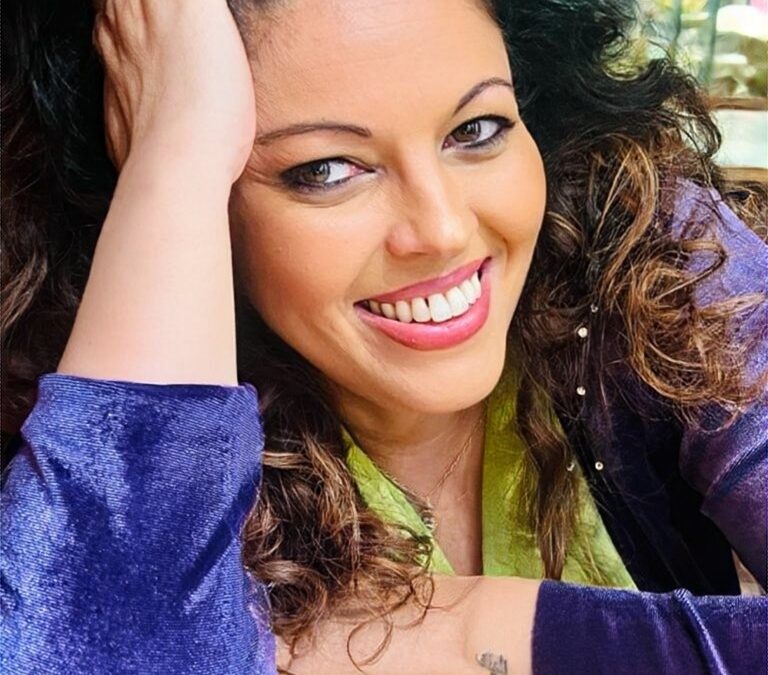
Barbara Schiavulli presenta “Burqa Queen”

Barbara Schiavulli presenta “Burqa Queen”

GIOVEDI 28 NOVEMBRE – ORE 18:00
Barbara Schiavulli presenta “Burqa Queen”
In dialogo con la giornalista Gabriella Saba

 
Barbara Schiavulli, corrispondente di guerra e scrittrice, ha seguito i fronti caldi degli ultimi ventisette anni, come Iraq e Afghanistan, Israele e Palestina, Pakistan, Yemen, Sudan, Cile, Haiti, Venezuela. I suoi articoli sono apparsi, sui principali quotidiani e settimanali. Ha collaborato con radio e TV. Attualmente collabora con la BBC. Dirige  Radio Bullets , una testata giornalistica online che si occupa di Esteri, diritti umani e inclusività. Racconta il mondo attraverso le storie di chi non ha voce.
Vincitrice di numerosi premi nazionali e internazionali, tra cui il Premio Lucchetta, il Premio Antonio Russo, il Premio Maria Grazia Cutuli e il Premio Enzo Baldoni e Megalizzi. Ha pubblicato  Le farfalle non muoiono in cielo,  Guerra e guerra,   La guerra dentro e  Bulletproof diaries. Storie di una reporter di guerra. “Quando muoio lo dico a Dio, storie di ordinario estremismo”. L’ultimo libro è “Burqa Queen”.
 Viaggia sempre con un trolley rosa e una stilografica.


THURSDAY, NOVEMBER 28 – 6:00 PM
Barbara Schiavulli presents “Burqa Queen”
In conversation with journalist Gabriella Saba

Barbara Schiavulli, war correspondent and writer, has been covering conflict zones for the past twenty-seven years, including Iraq and Afghanistan, Israel and Palestine, Pakistan, Yemen, Sudan, Chile, Haiti, and Venezuela. Her articles have appeared in major newspapers and magazines, and she has collaborated with radio and TV networks. She is currently a contributor to the BBC and directs Radio Bullets, an online news outlet focused on international affairs, human rights, and inclusivity. She tells the world’s stories through the voices of those who are often unheard.

She has received numerous national and international awards, including the Premio Lucchetta, Premio Antonio Russo, Premio Maria Grazia Cutuli, Premio Enzo Baldoni, and Premio Megalizzi.

Her published works include Le farfalle non muoiono in cielo, Guerra e guerra, La guerra dentro, and Bulletproof Diaries: Storie di una reporter di guerra. She also wrote Quando muoio lo dico a Dio: Storie di ordinario estremismo. Her latest book is Burqa Queen.

She always travels with a pink trolley and a fountain pen.

Giuseppe Boy presenta “Il blu è il colore del mondo”

Giuseppe Boy presenta “Il blu è il colore del mondo”

Blu è il colore del mondo
di Giuseppe Boy
(Ensemble | Poesia – 2024)
«Questo non è un film. Non so cosa sia, ma non è un film. E conseguentemente quello che state per leggere non è una sceneggiatura.
Ma ammettiamo, per un attimo, che questo sia la sceneggiatura di un film. In tal caso, l’immagine di apertura, su cui scorrerebbero i titoli di testa, sarebbe: l’intenso blu del cielo, su cui passa un aereo che sta arrivando, (o partendo), visto da una finestra all’ultimo piano di un palazzo in pieno centro città.
Panoramica sui palazzi di Castello, le chiese di Stampace, le case e i palazzi del centro.
E da qui capiamo che siamo a Cagliari. Interno della casa. Soggettiva stretta, attraverso stanze e corridoi.
Si ferma in una stanza, dove una mano afferra una chitarra, un corpo se la sistema sulle gambe e qualcuno, seduto ai bordi del letto, inizia a suonare…».
Giuseppe Boy
 
L’autore
Giuseppe Boy (Cagliari, 1959), attore, ha realizzato, negli ultimi venticinque anni, lavori teatrali basati sulla poesia e sulla vita dei poeti, spettacoli di letture e performance. Ha realizzato video poesie e recital-concerti con musicisti, con cui ha fondato il gruppo I Begli Elementi, attualmente in piena attività. Ha pubblicato tre raccolte di poesie: Autoritratto di un uomo palloso (2010), Ho ancora tutta la vita da rimettere a posto (2012) e Sisifo Invecchiato (2015).
 

Blue is the Color of the World
by Giuseppe Boy
(Ensemble | Poetry – 2024)

*”This is not a film. I don’t know what it is, but it’s not a film. And consequently, what you are about to read is not a screenplay.
But let’s assume, for a moment, that this is the screenplay of a film. In that case, the opening image, over which the opening credits would roll, would be: the deep blue of the sky, with a plane passing by—either arriving or departing—seen from a window on the top floor of a building in the heart of the city.

A panoramic view of the buildings of Castello, the churches of Stampace, the houses and palaces of the city center.

And from here, we understand that we are in Cagliari. Interior of the house. A tight subjective shot, moving through rooms and corridors.

It stops in a room, where a hand grabs a guitar, a body settles it onto its lap, and someone, sitting on the edge of the bed, begins to play…”*

Giuseppe Boy