
PREMIO STREGA GIOVANI POESIA
con MARILENA RENDA
vincitrice del Premio Strega Giovani Poesia 2025
con Cinema Persefone (Arcipelago Itaca)
Marilena Renda è nata a Erice nel 1976 e vive a Bologna, dove insegna inglese. I suoi libri sono: Bassani, Giorgio. Un ebreo italiano (Gaffi 2010), Ruggine (dot.com press 2012), Arrenditi Dorothy (L’orma 2015), La sottrazione (Transeuropa 2015), Regali ai fantasmi (Mesogea 2017), Fate morgane (L’Arcolaio 2020) e Fuoco degli occhi (Aragno 2022). Con il poema Ruggine è stata finalista al Premio Delfini 2009 e al Premio Carducci 2013, mentre La sottrazione ha vinto il Premio Bologna in Lettere 2019. Fuoco degli occhi è stato finalista al Premio Fortini 2023 e al Premio Napoli 2023.
PREMIO STREGA GIOVANI POESIA
with MARILENA RENDA
winner of the 2025 Strega Prize for Young Poetry
with Cinema Persefone (Arcipelago Itaca)
Marilena Renda was born in Erice in 1976 and lives in Bologna, where she teaches English. Her books include: Bassani, Giorgio. An Italian Jew (Gaffi 2010), Rust (dot.com press 2012), Surrender, Dorothy (L’orma 2015), Subtraction (Transeuropa 2015), Gifts to Ghosts (Mesogea 2017), Morgan Fate (L’Arcolaio 2020), and Fire in the Eyes (Aragno 2022). Her poem Ruggine was a finalist for the 2009 Delfini Prize and the 2013 Carducci Prize, while Subtraction won the 2019 Bologna Prize in Letters. Fire in the Eyes was a finalist for the 2023 Fortini Prize and the 2023 Napoli Prize.
PREMIO STREGA GIOVANI POESIA
Avec MARILENA RENDA
Lauréate du Prix Strega 2025 de poésie jeune
Avec Cinema Persefone (Archipel d’Itaca
Marilena Renda est née à Erice en 1976 et vit à Bologne, où elle enseigne l’anglais. Parmi ses ouvrages figurent : *Bassani, Giorgio. An Italian Jew* (Gaffi, 2010), *Rust* (dot.com press, 2012), *Surrender, Dorothy* (L’orma, 2015), *Subtraction* (Transeuropa, 2015), *Gifts to Ghosts* (Mesogea, 2017), *Morgan Fate* (L’Arcolaio, 2020) et *Fire in the Eyes* (Aragno, 2022). Son poème *Ruggine* a été finaliste du prix Delfini en 2009 et du prix Carducci en 2013, tandis que *Subtraction* a remporté le prix de Bologne des Lettres en 2019. *Fire in the Eyes* a été finaliste du prix Fortini et du prix Napoli en 2023.
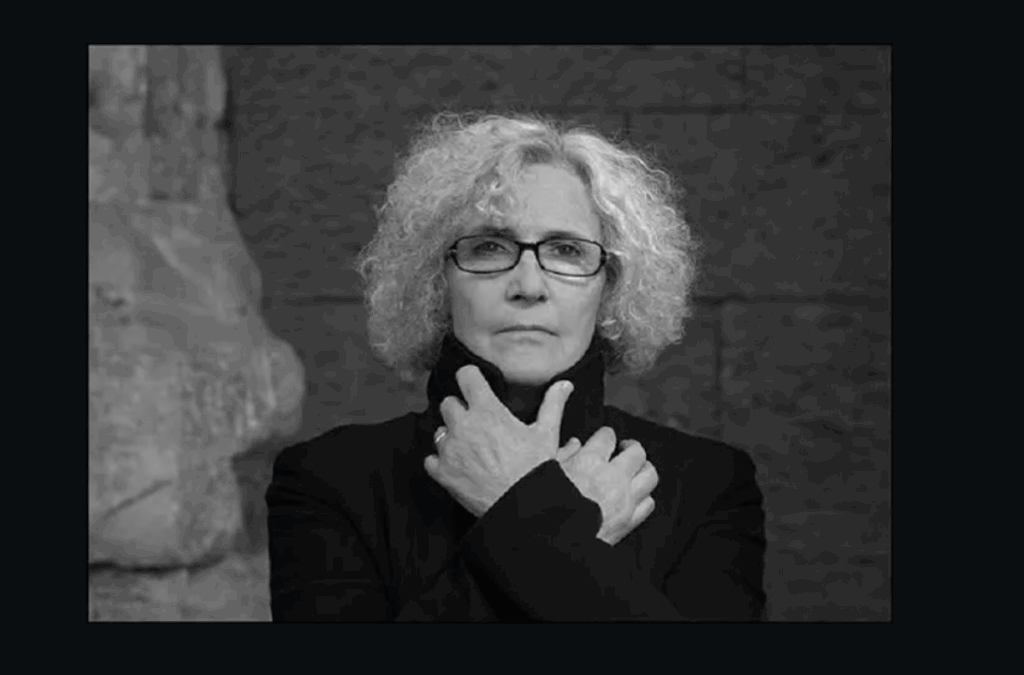
“I Tolki” (Il Saggiatore, 2024)
di Ida Travi
con selezioni di letture a cura dell’autrice.
L’autrice dialoga con Laura Medda
I Tolki si comportano come una famiglia ma non sono una famiglia. Sembrano una comunità ma non sono una comunità: sono esseri solitari vaganti da un libro all’altro, in un tempo che va dal bianco allo scuro. Di libro in libro i Tolki sono loro e non sono più loro. A volte cambiano nel nome, a volte nell’età. Mi ritrovai legata a loro nell’impossibilità di lasciarli e contemporaneamente sentivo forte il peso del tempo, l’impero dell’ora, dell’attualità come istante da cui prendere congedo. Sentivo l’ala contemporanea volare avanti in un disastroso consumo, assistevo a una continua comparsa e scomparsa di merci nell’attimo, libri compresi. Cercavo una forma di parola che si ponesse fuori da questo consumo e stabilisse per me un’idea di durata.
Mi ispirava la lancetta dell’orologio che al mio orecchio suonava Tà, e fu così che Tà divenne il titolo del primo libro. Desideravo che il rapporto con il tempo inglobasse i Tolki in una dimensione perennemente out. Li vedevo esistere in uno spazio separato dal tempo. Contro ogni logica, contro ogni relatività. Molti anni prima studiando Saggio sui dati immediati della coscienza avevo imparato con Henri Bergson che se là fuori c’è un’unica posizione della lancetta sul pendolo e delle sue posizioni precedenti non resta traccia, dentro di noi s’attiva un continuo e costante processo di rielaborazione dei dati che va a formare la vera durata: la coscienza.
La coscienza s’intravede nel punto in cui un essere umano lascia vivere il tempo e smette di stabilire separazioni, smette di trattarlo come una materia, qualcosa da dividere in parti, come se il tempo fosse un pezzo di ferro, un pezzo di pane: il concetto di durata non separa il passato dal presente ,e il presente dal futuro. Forse per questo nell’immaginazione come nella scrittura ogni Tolki brucia in due righe la sua incosciente eternità. Il futuro tace, arriva come una nevicata.
Non poteva dunque bastare un libro solo, ci voleva una serie, una sequenza di episodi narrabili, così come fu nel Mito, episodi indifferenti alla successione, così come a un inizio e a una fine. Episodi da niente, dove alla luce della storia non accade mai niente, e l’unica azione che si compie consiste proprio nel fare quel nulla. Poesia? Certamente l’azione che si compie è il mio lavoro.
Io lavoro con i Tolki, il loro lavoro è anche il mio: post-studenti, ex-lavoratori. Portatori di secchi, trascinanti un carrettino: aprire e chiudere la porta, inginocchiarsi, sollevarsi. Dar da mangiare al bambino, addossare al muro la branda. Sempre così, sempre così. Ripetere sempre le stesse cose. Strigliare l’asino, attraversare nel tempo la Russia, aprire il capannone, sistemare i sacchi di farina. I recinti, i pozzi. Le abitazioni istantanee, i muretti secolari. Si tratta di cose da niente, poche righe e tanta neve, polvere, erba e fango. I Tolki, col dito sulla neve, impareranno a scrivere?
“I Tolki” (Il Saggiatore, 2024)
di Ida Travi
With reading selections curated by the author.
The author in conversation with Laura Medda
The Tolki behave like a family, but they aren’t. They seem like a community, but they aren’t: they are solitary beings wandering from book to book, in a time that ranges from white to dark. From book to book, the Tolki are themselves, and are no longer themselves. Sometimes their names change, sometimes their ages. I found myself tied to them, unable to leave them, and at the same time I felt the weight of time, the empire of the hour, of the present as an instant from which to take leave. I felt the contemporary wing soaring in a disastrous consumption, I witnessed a continuous appearance and disappearance of goods in the instant, books included. I searched for a form of speech that would stand outside this consumption and establish for me an idea of duration.
I was inspired by the hand of the clock that sounded Ta in my ear, and so Ta became the title of the first book. I wanted the relationship with time to encompass the Tolki in a perpetually out-of-time dimension. I saw them existing in a space separate from time. Against all logic, against all relativity. Many years earlier, studying An Essay on the Immediate Data of Consciousness, I had learned from Henri Bergson that if out there is a single position of the hand on the pendulum and no trace of its previous positions remains, within us a continuous and constant process of re-elaboration of data is activated that forms the true duration: consciousness.
Consciousness emerges at the point where a human being lets time live and stops establishing separations, stops treating it like matter, something to be divided into parts, as if time were a piece of iron, a loaf of bread: the concept of duration does not separate the past from the present, nor the present from the future. Perhaps this is why, in his imagination as in his writing, every Tolki burns his unconscious eternity in two lines. The future is silent, it arrives like a snowfall.
A single book, then, wasn’t enough; a series was needed, a sequence of narratable episodes, just as in the Myth, episodes indifferent to succession, as to a beginning and an end. Episodes of nothing, where, in the light of the story, nothing ever happens, and the only action that is accomplished consists precisely in doing that nothing. Poetry? Certainly, the action that is accomplished is my work.
I work with the Tolki, their work is also mine: post-students, ex-workers. Bucket carriers, dragging a cart: opening and closing the door, kneeling, getting up. Feeding the baby, leaning the cot against the wall. Always like this, always like this. Repeating the same things over and over again. Grooming the donkey, crossing Russia in time, opening the shed, arranging the sacks of flour. The fences, the wells. The instant homes, the centuries-old walls. These are trivial things, a few lines and a lot of snow, dust, grass, and mud. Will the Tolki, with their fingers in the snow, learn to write?
“I Tolki” (Il Saggiatore, 2024)
di Ida Travi
Avec une sélection de lectures choisies par l’auteur.
L’auteur en conversation avec Laura Medda
Les Tolki se comportent comme une famille, mais ils n’en sont pas une. Ils semblent former une communauté, mais ils n’en sont pas une : ce sont des êtres solitaires errant de livre en livre, dans un temps oscillant entre le blanc et l’obscurité. D’un livre à l’autre, les Tolki sont eux-mêmes, et ne le sont plus. Parfois leurs noms changent, parfois leur âge. Je me sentais lié à eux, incapable de les quitter, et en même temps je ressentais le poids du temps, l’empire de l’heure, du présent comme un instant fugace dont il faut s’échapper. Je sentais l’aile contemporaine s’élever dans une consommation désastreuse, j’étais témoin de l’apparition et de la disparition incessantes des biens dans l’instant, livres compris. Je cherchais une forme d’expression qui se situerait au-delà de cette consommation et qui me permettrait de concevoir la durée.
J’ai été inspiré par le son du « Ta » à mon oreille, et c’est ainsi que « Ta » est devenu le titre du premier livre. Je souhaitais que le rapport au temps englobe les Tolki dans une dimension perpétuellement hors du temps. Je les voyais exister dans un espace séparé du temps. Contre toute logique, contre toute relativité. Bien des années auparavant, en étudiant l’Essai sur les données immédiates de la conscience, j’avais appris d’Henri Bergson que si, à l’extérieur, l’aiguille du pendule ne conserve qu’une seule position et qu’aucune trace de ses positions précédentes ne subsiste, en nous s’active un processus continu et constant de réélaboration des données, qui constitue la véritable durée : la conscience.
La conscience émerge lorsque l’être humain laisse le temps s’écouler et cesse de le séparer, de le traiter comme de la matière, quelque chose à diviser en parties, comme si le temps était un morceau de fer, une miche de pain : la notion de durée ne sépare plus le passé du présent, ni le présent du futur. C’est peut-être pourquoi, dans son imagination comme dans son écriture, chaque Tolki consume son éternité inconsciente en deux vers. Le futur est silencieux, il arrive comme une chute de neige.
Un seul livre, donc, ne suffisait pas ; il fallait une série, une suite d’épisodes narrables, comme dans le Mythe, des épisodes indifférents à la succession, comme à un début et une fin. Des épisodes de néant, où, à la lumière du récit, rien ne se produit jamais, et où la seule action accomplie consiste précisément à ne rien faire. De la poésie ? Assurément, l’action accomplie est mon œuvre.
Je travaille avec les Tolki, leur travail est aussi le mien : des post-étudiants, d’anciens travailleurs. Des porteurs de seaux, tirant une charrette : ouvrir et fermer la porte, s’agenouiller, se relever. Nourrir le bébé, appuyer le berceau contre le mur. Toujours comme ça, toujours comme ça. Répéter les mêmes choses encore et encore. Pairer l’âne, traverser la Russie à temps, ouvrir la grange, ranger les sacs de farine. Les clôtures, les puits. Les maisons de fortune, les murs centenaires. Ce sont des choses insignifiantes, quelques lignes et beaucoup de neige, de poussière, d’herbe et de boue. Les Tolki, les doigts dans la neige, apprendront-ils à écrire ?

“Dei fiori che rinascono” (Il Maestrale, 2025)
di Giulio Neri
IL LIBRO: in un piccolo centro della Sardegna sud-orientale, la vicenda di Antimo Ligas – 48 anni, 130 chili – scuote l’intera comunità. Il coma da emorragia cerebrale in cui è sprofondato sembra la scontata conclusione di un declino iniziato anni prima. Licenziato dall’impresa edile e poi dalla vineria in cui si era reinventato cuoco, abbandonato dalla fidanzata più giovane e avviata alla carriera politica, Antimo si era lasciato andare a una deriva di solitudine e di eccessi alimentari. Adesso è il bell’addormentato. «Aspettatevi il peggio» ripetono i medici; eppure, nessun luminare può escludere il miracolo. Da una tragedia in cui pare che l’antico mondo della montagna collassi per sempre, tentano di salvare Antimo due compagni di gioventù: Ignazio Farci, umile apicoltore, e Stanislao Manca-Vaquer, il divin marchese decaduto. La loro fede nel risveglio confligge con la rassegnazione di Olimpia, sorella di Antimo che, ispezionandone il telefono, ha scoperto una chat molto tesa con una donna dalla dubbia moralità. Antimo aveva dei segreti. A chi rivolgersi per suscitare un’emozione risolutiva nel fondo della sua coscienza? Un turbine di personaggi irrompe nella storia e il lettore è qui obbligato a trattenersi con l’autore, respirare, ricominciare. Assecondarlo in un preciso amplesso collettivo che nasce in un paese identico a mille paesi quanto ai quartieri di New York. L’universalità del sentire è qui, spesso spaventevole, spesso di una semplicità disarmante. Le debolezze umane sono qui, come pure i narcisismi o le solitudini assolute.
“Dei fiori che rinascono” (Il Maestrale, 2025)
di Giulio Neri
THE BOOK: In a small town in southeastern Sardinia, the story of Antimo Ligas—48 years old, 130 kilos—rocks the entire community. The coma he has fallen into from a cerebral hemorrhage seems the inevitable conclusion of a decline that began years earlier. Fired from his construction company and then from the winery where he had reinvented himself as a chef, abandoned by his younger girlfriend, who was embarking on a political career, Antimo had drifted into loneliness and overeating. Now he is a sleeping beauty. “Expect the worst,” the doctors repeat; yet, no luminary can rule out a miracle. From a tragedy in which the ancient mountain world seems to be collapsing forever, two companions from his youth attempt to save Antimo: Ignazio Farci, a humble beekeeper, and Stanislao Manca-Vaquer, the impoverished divine marquis. Their faith in the awakening conflicts with the resignation of Olimpia, Antimo’s sister who, inspecting his phone, discovered a very tense chat with a woman of dubious morals. Antimo had secrets. Who could he turn to to awaken a decisive emotion in the depths of his conscience? A whirlwind of characters erupts into the story, and the reader is forced to linger with the author, breathe, and begin again. To indulge him in a precise collective embrace born in a town as identical to a thousand towns as it is to the neighborhoods of New York. The universality of feeling is here, often frightening, often disarmingly simple. Human weaknesses are here, as are narcissisms and absolute loneliness.
LE LIVRE : Dans un petit village du sud-est de la Sardaigne, l’histoire d’Antimo Ligas – 48 ans, 130 kilos – bouleverse toute la communauté. Le coma dans lequel il est tombé suite à une hémorragie cérébrale semble l’aboutissement inévitable d’un déclin amorcé des années auparavant. Licencié de son entreprise de construction, puis du domaine viticole où il s’était reconverti en chef cuisinier, abandonné par sa jeune compagne qui se lançait en politique, Antimo s’était enfoncé dans la solitude et la boulimie. À présent, il est comme une Belle au bois dormant. « Il faut s’attendre au pire », répètent les médecins ; pourtant, aucun expert ne peut exclure un miracle. De cette tragédie où le monde montagnard ancestral semble s’effondrer à jamais, deux compagnons de jeunesse tentent de sauver Antimo : Ignazio Farci, un humble apiculteur, et Stanislao Manca-Vaquer, le marquis désargenté. Leur foi dans le réveil se heurte à la résignation d’Olimpia, la sœur d’Antimo, qui, en inspectant son téléphone, a découvert une conversation très tendue avec une femme aux mœurs douteuses. Antimo avait des secrets. À qui pouvait-il s’adresser pour réveiller une émotion décisive au plus profond de sa conscience ? Une multitude de personnages surgit dans le récit, et le lecteur est contraint de s’attarder auprès de l’auteur, de respirer, puis de recommencer. De se laisser aller à une étreinte collective précise, née dans une ville aussi semblable à mille autres qu’aux quartiers de New York. L’universalité des sentiments est ici présente, souvent effrayante, souvent d’une simplicité désarmante. Les faiblesses humaines y sont, tout comme les narcissismes et la solitude absolue.

Piergiorgio Pulixi e Daniele Serra presentano
“L’estate delle comete azzurre” (Camena Edizioni, 2025)
in dialogo con Cristiana Piras e Ilenia Loddo
IL LIBRO – L’estate delle comete azzurre è una storia che sfida i confini tra generi: thriller psicologico, dramma paranormale, romanzo di formazione e noir si fondono in una narrazione intensa, lirica e perturbante. Piergiorgio Pulixi costruisce una storia avvolgente, in cui il male non è mai urlato, ma sussurrato tra le righe di una memoria spezzata e dolente. La vicenda di Michele Rivalta è quella di un moderno Orfeo, sceso negli inferi del passato per cercare le sue verità, e tornato in superficie con un dono oscuro: la capacità di vedere oltre il velo della morte. Come nei romanzi di Stephen King, che qui Pulixi omaggia, l’adolescenza è teatro di orrori reali e simbolici. Il sovrannaturale è una metafora dell’esclusione, del trauma e del potere latente. Come Carrie, anche Michele è un “diverso” segnato da una madre disturbata e da un potere che non sa gestire. Il racconto si legge come un sogno febbrile, con la bellezza straziante delle cose che non dovrebbero esistere. Tra visioni elettriche, fantasmi silenziosi e piogge catartiche, L’estate delle comete azzurre è una storia di formazione che lascia il segno, come una cicatrice sul cuore.
BIOGRAFIE
Piergiorgio Pulixi è nato a Cagliari nel 1982 e vive tra la Sardegna e Milano. Autore di numerosi romanzi polizieschi, ha ricevuto prestigiosi riconoscimenti, tra cui il premio Scerbanenco 2019 per il miglior noir dell’anno. Considerato uno dei più importanti rappresentanti della nuova generazione di scrittori noir e thriller in Europa, i suoi libri sono tradotti in venti paesi. Per Marsilio, nel 2023, ha pubblicato La libreria dei gatti neri, un successo che ha rilanciato il cozy crime italiano. Pulixi scrive anche per ragazzi, e il suo Il mistero dei bambini d’ombra è considerato un piccolo classico della letteratura middle grade.
Daniele Serra è un illustratore italiano. Tre volte vincitore del British Fantasy Award come miglior artista (2012, 2017 e 2021) e finalista al World Fantasy Award 2021, ha realizzato cover, illustrazioni e adattamenti a fumetti per Stephen King, Clive Barker, Ramsey Campbell, Joe R. Lansdale e Joyce Carol Oates. Come comic artist, ha lavorato con DC Comics, Image Comic, BOOM! Studios, Titan Comics, Seraphim INC., SST Publications, BD Comics, Mondadori, Bonelli e Guanda. Daniele ha illustrato oltre 300 copertine di romanzi in tutto il mondo. È suo l’intero artwork per Tommyknockers di Stephen King (PS Publishing). Alcune opere di Daniele sono state utilizzate come scenografia nell’adattamento cinematografico di Cell di Stephen King, diretto da Tod Williams e interpretato da John Cusack e Samuel L. Jackson.
Piergiorgio Pulixi and Daniele Serra present
“L’estate delle comete azzurre” (Camena Edizioni, 2025)
in conversation with Cristiana Piras and Ilenia Loddo
THE BOOK – The Summer of the Blue Comets is a story that defies genre boundaries: psychological thriller, paranormal drama, coming-of-age novel, and noir blend together in an intense, lyrical, and disturbing narrative. Piergiorgio Pulixi constructs a compelling story, in which evil is never screamed, but whispered between the lines of a broken and painful memory. Michele Rivalta’s story is that of a modern-day Orpheus, descending into the underworld of the past to seek its truths, and returning to the surface with a dark gift: the ability to see beyond the veil of death. As in Stephen King’s novels, to which Pulixi pays homage here, adolescence is the scene of real and symbolic horrors. The supernatural is a metaphor for exclusion, trauma, and latent power. Like Carrie, Michele is also “different,” marked by a disturbed mother and a power he cannot manage. The story reads like a fever dream, with the heartbreaking beauty of things that shouldn’t exist. Between electric visions, silent ghosts, and cathartic rains, The Summer of the Blue Comets is a coming-of-age story that leaves its mark, like a scar on the heart.
BIOGRAPHY
Piergiorgio Pulixi was born in Cagliari in 1982 and lives between Sardinia and Milan. The author of numerous crime novels, he has received prestigious awards, including the 2019 Scerbanenco Prize for best noir of the year. Considered one of the most important representatives of the new generation of European noir and thriller writers, his books have been translated into twenty languages. In 2023, Marsilio published The Black Cats’ Library, a success that relaunched the Italian cozy crime genre. Pulixi also writes for children, and his The Mystery of the Shadow Children is considered a minor classic of middle-grade literature.
Daniele Serra is an Italian illustrator. A three-time winner of the British Fantasy Award for Best Artist (2012, 2017, and 2021) and a finalist for the 2021 World Fantasy Award, he has created covers, illustrations, and comic book adaptations for Stephen King, Clive Barker, Ramsey Campbell, Joe R. Lansdale, and Joyce Carol Oates. As a comic artist, he has worked with DC Comics, Image Comic, BOOM! Studios, Titan Comics, Seraphim INC., SST Publications, BD Comics, Mondadori, Bonelli, and Guanda. Daniele has illustrated over 300 novel covers worldwide. He created all the artwork for Stephen King’s Tommyknockers (PS Publishing). Some of Daniele’s work was used as set design in the film adaptation of Stephen King’s Cell, directed by Tod Williams and starring John Cusack and Samuel L. Jackson.
Piergiorgio Pulixi et Daniele Serra présents
“L’estate delle comete azzurre” (Camena Edizioni, 2025)
en conversation avec Cristiana Piras et Ilenia Loddo
LE LIVRE – L’Été des comètes bleues est un récit qui transcende les frontières des genres : thriller psychologique, drame paranormal, roman d’apprentissage et polar s’entremêlent dans une narration intense, lyrique et troublante. Piergiorgio Pulixi tisse une histoire captivante où le mal n’est jamais crié, mais murmuré entre les lignes d’un souvenir douloureux et fragmenté. L’histoire de Michele Rivalta est celle d’un Orphée des temps modernes, descendant aux enfers du passé pour en percer les vérités et remontant à la surface avec un don obscur : la capacité de voir au-delà du voile de la mort. À l’instar des romans de Stephen King, auxquels Pulixi rend ici hommage, l’adolescence est le théâtre d’horreurs à la fois réelles et symboliques. Le surnaturel est une métaphore de l’exclusion, du traumatisme et d’un pouvoir latent. Comme Carrie, Michele est lui aussi « différent », marqué par une mère perturbée et un pouvoir qu’il ne parvient pas à maîtriser. Le récit se lit comme un rêve fiévreux, d’une beauté déchirante, celle de choses qui ne devraient pas exister. Entre visions électriques, fantômes silencieux et pluies cathartiques, L’Été des comètes bleues est un roman d’apprentissage qui laisse une empreinte indélébile, comme une cicatrice sur le cœur.
BIOGRAPHIE
Né à Cagliari en 1982, Piergiorgio Pulixi vit entre la Sardaigne et Milan. Auteur de nombreux romans policiers, il a reçu de prestigieuses récompenses, dont le prix Scerbanenco 2019 du meilleur roman noir de l’année. Considéré comme l’un des représentants les plus importants de la nouvelle génération d’auteurs européens de polars et de thrillers, ses livres ont été traduits en vingt langues. En 2023, il a publié « Marsilio », un succès qui a relancé le genre du « cozy polar » italien. Pulixi écrit également pour les enfants ; son ouvrage « Le Mystère des enfants de l’ombre » est considéré comme un classique de la littérature jeunesse.
Daniele Serra est un illustrateur italien. Lauréat à trois reprises du British Fantasy Award du meilleur artiste (2012, 2017 et 2021) et finaliste du World Fantasy Award 2021, il a réalisé des couvertures, des illustrations et des adaptations de bandes dessinées pour Stephen King, Clive Barker, Ramsey Campbell, Joe R. Lansdale et Joyce Carol Oates. En tant qu’auteur de BD, il a collaboré avec DC Comics, Image Comics, BOOM! Studios, Titan Comics, Seraphim INC., SST Publications, BD Comics, Mondadori, Bonelli et Guanda. Daniele a illustré plus de 300 couvertures de romans à travers le monde. Il a créé l’intégralité des illustrations de Tommyknockers de Stephen King (PS Publishing). Certaines de ses œuvres ont servi de décors pour l’adaptation cinématographique de Cell, roman de Stephen King réalisé par Tod Williams et interprété par John Cusack et Samuel L. Jackson.
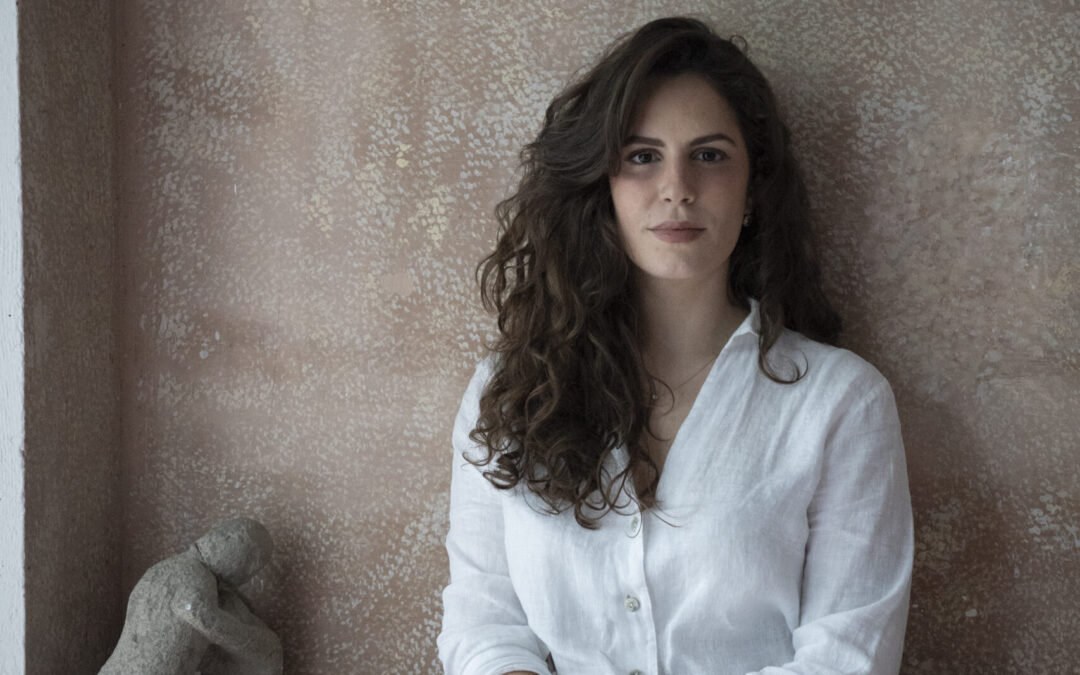
“La mia ultima storia per te” (Mondadori, 2025)
di Sofia Assante
Andrea sta camminando per le strade di New York, in piena notte, quando riceve una telefonata. Riconosce subito la voce di Elettra, anche se non la sente da dieci anni. È lei la ragione per cui è scappato da Roma, la sua città, ed è proprio lei, ora, a chiedergli di tornare… Andrea ed Elettra si sono conosciuti a dodici anni, il giorno in cui lei si è trasferita nel palazzo del centro di Roma in cui Andrea è cresciuto. A parte l’indirizzo di casa, non hanno nulla in comune. Lui è il figlio di un ristoratore schivo e taciturno e d’estate lavora nella trattoria di famiglia, Da Amilcare. Lei fa parte dell’aristocrazia romana e i suoi genitori, gli Alfieri della Scala, sono colti, eleganti e amorevoli. Entrambi appartengono a una Roma che sta tramontando: Elettra a quella della nobiltà che ancora si incontra nelle stanze di Palazzo Borghese; Andrea alla Roma delle taverne del centro, come quella fondata dal nonno, sui cui tavoli giocavano a scopone Fellini, Scola e Monicelli. Sono ancora bambini quando, convinti che nulla potrà dividerli, sognano di morire insieme come Filemone e Bauci, trasformati da Zeus in una quercia e in un tiglio, uniti per il tronco. Ma l’idillio si rompe all’improvviso durante una vacanza nella villa sul lago degli Alfieri: la madre di Elettra viene coinvolta in un incidente d’auto e i due ragazzi trovano per sbaglio una lettera che instilla in loro un dubbio insostenibile. Quel dubbio e il segreto a cui li costringerà li terranno lontani per anni. Fino a questa telefonata, che è destinata a riaprire tutto ciò che era stato bruscamente interrotto e, forse, a regalare una seconda possibilità a quel primo amore mancato. Al suo esordio, Sofia Assante mette a punto una voce narrante ironica e irresistibilmente romantica, che omaggia esplicitamente alcuni grandi narratori americani, da Salinger a Fitzgerald a Dylan, ed è capace di far sorridere e al tempo stesso commuovere. E racconta una storia piena di segreti e sorprese narrative, attraversata da una domanda che tutti ci siamo fatti almeno una volta nella vita: possiamo davvero dire di conoscere le persone che abbiamo accanto?
Sofia Assante (1995) è nata e vive a Roma. Ha studiato filosofia e storia dell’arte. Attualmente frequenta un dottorato di ricerca e lavora come editor e sceneggiatrice. Questo è il suo primo romanzo.
“La mia ultima storia per te” (Mondadori, 2025)
di Sofia Assante
Andrea is walking the streets of New York, in the middle of the night, when he receives a phone call. He immediately recognizes Elettra’s voice, even though he hasn’t heard from her in ten years. She’s the reason he ran away from Rome, his hometown, and it’s she, now, who’s asking him to return… Andrea and Elettra met at twelve, the day she moved into the building in central Rome where Andrea grew up. Aside from their home address, they have nothing in common. He is the son of a shy and taciturn restaurateur and in the summers he works in the family trattoria, Da Amilcare. She is part of the Roman aristocracy, and her parents, the Alfieri della Scala family, are cultured, elegant, and loving. Both belong to a Rome that is waning: Elettra to the nobility still found in the halls of Palazzo Borghese; Andrea to the Rome of the taverns in the center, like the one founded by his grandfather, at whose tables Fellini, Scola and Monicelli played scopone.They are still children when, convinced that nothing can separate them, they dream of dying together like Philemon and Baucis, transformed by Zeus into an oak and a linden tree, joined at the trunk. But the idyll is suddenly shattered during a vacation at the Alfieri family’s lakeside villa: Electra’s mother is involved in a car accident, and the two children accidentally find a letter that instills in them an unbearable doubt. That doubt, and the secret it forces them to keep, will keep them apart for years. Until this phone call, which is destined to reopen everything that had been abruptly interrupted and, perhaps, give a second chance to that first missed love. In her debut, Sofia Assante develops an ironic and irresistibly romantic narrative voice, explicitly paying homage to some of the great American storytellers, from Salinger to Fitzgerald to Dylan, and is capable of making us smile and move us at the same time. And it tells a story full of secrets and narrative surprises, permeated by a question we’ve all asked ourselves at least once in our lives: can we really say we know the people around us?
Sofia Assante (1995) was born and lives in Rome. She studied philosophy and art history. She is currently pursuing a PhD and working as an editor and screenwriter. This is her first novel.
“La mia ultima storia per te” (Mondadori, 2025)
di Sofia Assante
Andrea marche dans les rues de New York, au beau milieu de la nuit, lorsqu’il reçoit un appel. Il reconnaît immédiatement la voix d’Elettra, même s’il n’a pas eu de ses nouvelles depuis dix ans. C’est elle qui l’a poussé à fuir Rome, sa ville natale, et c’est elle, à présent, qui lui demande de revenir… Andrea et Elettra se sont rencontrés à douze ans, le jour où elle a emménagé dans l’immeuble du centre de Rome où Andrea a grandi. Hormis leur adresse, ils n’ont rien en commun. Il est le fils d’un restaurateur timide et taciturne et, l’été, il travaille dans la trattoria familiale, Da Amilcare. Elle appartient à l’aristocratie romaine et ses parents, les Alfieri della Scala, sont cultivés, élégants et aimants. Tous deux appartiennent à une Rome en déclin : Elettra à la noblesse qui se tient encore dans les couloirs du palais Borghèse ; Andrea à la Rome des tavernes du centre. Comme celle fondée par son grand-père, où Fellini, Scola et Monicelli jouaient au scopone. Ils sont encore enfants lorsqu’ils rêvent, persuadés que rien ne peut les séparer, de mourir ensemble comme Philémon et Baucis, transformés par Zeus en chêne et tilleul, unis par le tronc. Mais l’idylle est brutalement brisée lors de vacances dans la villa familiale des Alfieri, au bord du lac : la mère d’Electra est victime d’un accident de voiture, et les deux enfants découvrent par hasard une lettre qui fait naître en eux un doute insoutenable. Ce doute, et le secret qu’il les contraint à garder, les maintiendront séparés pendant des années. Jusqu’à cet appel téléphonique, qui est destiné à rouvrir tout ce qui avait été brutalement interrompu et, peut-être, à offrir une seconde chance à ce premier amour perdu. Dans son premier roman, Sofia Assante déploie une voix narrative à la fois ironique et irrésistiblement romantique, rendant un hommage explicite aux plus grands conteurs américains, de Salinger à Fitzgerald en passant par Dylan, et parvenant à nous faire sourire et à nous émouvoir simultanément. Son récit, riche en secrets et en rebondissements, est imprégné d’une question que nous nous sommes tous posée au moins une fois dans notre vie : pouvons-nous vraiment prétendre connaître les gens qui nous entourent ?
Sofia Assante (1995) est née et vit à Rome. Elle a étudié la philosophie et l’histoire de l’art. Elle prépare actuellement un doctorat et travaille comme éditrice et scénariste. Ceci est son premier roman.

Fabio Pusterla presenta
“Fiumi Nefrite Vortici” (Marcos y Marcos, 2025)
L’autore dialoga con Emma Pavan e Irene Palladini
L’evento è realizzato in collaborazione con il Dipartimento di Lettere, lingue e beni culturali – Uni.CA e il Festival Legger – ezza promozione della lettura.
L’imbarbarimento della società civile occidentale, l’avanzata delle destre populiste e sovraniste in tutta Europa. Lo scoppio della guerra in Ucraina e in Medio Oriente, l’incombente catastrofe ambientale, l’indifferenza, l’individualismo, l’opportunismo. I segni drammatici dell’invecchiamento, e insieme le figure gioiose dei nipotini, Lucio, Tullio e Gemma. La poesia di Fabio Pusterla tocca con passione e altissima tensione lirica temi di grande rilevanza, un occhio rivolto al mondo, uno alla realtà più prossima e personale, uno alla potenza estrema, salvifica e minacciosa, di una natura e di un cosmo pieni di bellezza, mistero, energia.
Fabio Pusterla presents
“Fiumi Nefrite Vortici” (Marcos y Marcos, 2025)
The author talks with Emma Pavan and Irene Palladini
The event is organized in collaboration with the Department of Literature, Languages and Cultural Heritage – Uni.CA and the Legger Festival – promotion of reading.
The barbarization of Western civil society, the rise of right-wing populism and sovereignism across Europe. The outbreak of war in Ukraine and the Middle East, the looming environmental catastrophe, indifference, individualism, opportunism. The dramatic signs of aging, along with the joyful figures of his grandchildren, Lucio, Tullio, and Gemma. Fabio Pusterla’s poetry touches on deeply relevant themes with passion and supreme lyrical tension, one eye on the world, one on the most immediate and personal reality, one on the extreme power, both salvific and threatening, of a nature and a cosmos filled with beauty, mystery, and energy.
Fabio Pusterla présente “Fiumi Nefrite Vortici” (Marcos y Marcos, 2025)
L’auteur s’entretient avec Emma Pavan et Irène Palladini
Cet événement est organisé en collaboration avec le Département de littérature, de langues et de patrimoine culturel – Uni.CA et le festival Legger – promotion de la lecture.
La barbarisation de la société civile occidentale, la montée du populisme et du souverainisme d’extrême droite en Europe. Le déclenchement de la guerre en Ukraine et au Moyen-Orient, la catastrophe environnementale imminente, l’indifférence, l’individualisme, l’opportunisme. Les signes marqués du vieillissement, ainsi que la joie de ses petits-enfants, Lucio, Tullio et Gemma. La poésie de Fabio Pusterla aborde des thèmes d’une profonde actualité avec passion et une tension lyrique intense, un regard porté sur le monde, l’autre sur la réalité la plus immédiate et personnelle, l’autre encore sur la puissance extrême, à la fois salvatrice et menaçante, d’une nature et d’un cosmos emplis de beauté, de mystère et d’énergie.
